Search results
Communications and authentic leadership: A spotlight interview with William Raillant-Clark
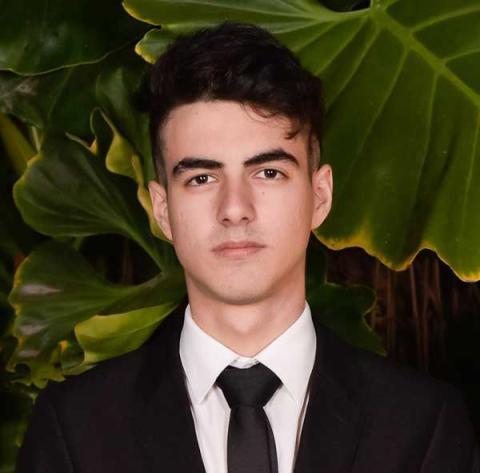
William Raillant-Clark is Communications Officer at the International Civil Aviation Organization (ICAO), where he has worked for almost ten years. Originally from New Zealand, he began his studies in political science before moving to Paris, where he completed a degree in international relations. After several years working in communications roles in Montréal – including positions at McGill University, Université de Montréal and Agence Science-Presse – he joined ICAO, where he handles public relations, press engagement and social media within a skillful, multitasking communications team. A father of two, William brings a practical, people-focused approach to his work and leadership style.
In this spotlight interview with UNSSC’s Juan Pendavis, William shares his experience participating in the 2025 fall edition of the UN Emerging Leaders e-Learning Programme (UNEL- e).
Juan: How has the UNEL-e programme supported your professional leadership development?
William: One of the challenges I have faced throughout my UN career is finding the nuance between leadership and management. We are often called on to exercise leadership, but sometimes we are pressured into management roles even when we don't officially have that authority. That can be tricky – you want to mentor people, but you're not their supervisor.
Communications work involves the whole organization. With limited resources, we try to upskill people because, while communications is something many can do, expertise matters. Working with a small team, much of my strategy consists of finding ways to empower others to do outreach, share successes, or come to us safely with reputational risks.
The training I received during this programme helped me navigate the line between leading and managing and taught me how to apply leadership effectively even without formal authority. I realized I was overusing transformational leadership. I love the come-with-me-on-this-journey approach myself, but many people just want clarity, to be told what needs to be done. Understanding this was huge.
The course gave me tools to adapt my leadership style to what different people need and made me a better listener. People don’t always say what they really want or feel – now I can read feedback more clearly and adjust accordingly.
Juan: What was your favourite moment, experience, or memory from the course?
William: Two moments stand out.
The first is the session on effective presentations. Not for the intended reason, but because of the insight into how people modulate tone depending on status and comfort. For instance, someone who is high status but feels uncomfortable may sound imposing, but it comes from vulnerability. Recognizing this changed how I listen: instead of thinking someone is being condescending, I can now think, “This person feels vulnerable.” It has made me a more empathetic listener.
The second moment is a breakout session during which a woman described facing ageism from an older male colleague while leading a team in South Sudan. I thought, “Where else would you hear firsthand from someone navigating that?”. Listening to such diverse, rich and UN-specific perspectives made me appreciate how unique and valuable the course is.
Juan: Given your public relations (PR)/communications background, do you see an overlap between your work and the UNEL-e programme?
William: Yes, a lot. An example is the session on public speaking as a leadership tool. I already knew much of the technical side, but the psychological insights were new and extremely valuable.
The session on diversity and inclusion as a key to leadership was also an eye-opener for me. Coming from New Zealand and having always worked under female leadership, I considered myself already quite aware, but I ended up learning a lot – especially about the unspoken tasks women often feel expected to take on and which can quickly lead to burnout. Understanding this has improved my ability to support colleagues.
Juan: Do you think the programme also provided insights applicable to daily life, not just work?
William: Absolutely. In the final session, when I spoke on behalf of the cohort, I said I felt I had gained life skills, not just leadership skills.
The course strengthened my listening skills, which matter in all relationships – family, friends and community. As communications/PR professionals, we often talk too much early in our careers. Eventually, you learn that listening is everything, especially in crisis communication.
Another big insight I gained is that – as AI-generated content becomes more common – we in PR need to become guardians of authenticity through our leadership. When people send me AI-generated drafts, I tell them, “I need your expertise, not ChatGPT’s filler.” AI can help, but it can’t replace human insight. The programme reinforced that authenticity matters – in leadership, communication and life.
Juan: If you had a message for your fellow cohort peers, what would it be?
William: Thank you. Thank you for your authenticity, transparency, vulnerability and leadership throughout the programme. Seeing how common our challenges are across the UN helped me approach the course with a more open mind. The collegial atmosphere was fantastic. It takes courage – especially for people my age, since vulnerability wasn’t encouraged early in our careers – but everyone showed up with honesty, and that made the experience truly worthwhile.
Click here for more information on the next edition of UNEL-e. For any inquiries on other customized programmes for emerging leaders, please email unele@unssc.org.